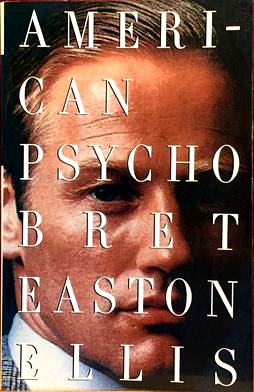
The American Psycho Author's Disillusionment with the Big Apple
New York City, a metropolis often romanticized as the epitome of ambition, culture, and relentless energy, recently found itself under the critical gaze of one of its most iconic chroniclers: Bret Easton Ellis. The acclaimed
American Psycho author, known for his incisive and often chilling depictions of modern society, made a highly anticipated return to the city that served as the backdrop for much of his literary output. However, his visit, intended to promote his new book *The Shards*, quickly devolved into a candid and startling condemnation of the very place he once called home. Ellis's frankness about his current disdain for NYC, marked by his now-viral question, "How in the f*** does anyone live here?", has ignited a fervent debate among fans and urban enthusiasts alike, casting a harsh light on the stark realities of a city in perpetual flux.
Ellis's recent experiences paint a picture of profound alienation. From the moment he arrived during a "horrible storm," encountering typical travel frustrations like an hour-long wait at the Delta carousel and a challenging ride into Manhattan, the author expressed a palpable sense of disbelief and exhaustion. His desire to simply retreat to his hotel room for some room service and a glass of wine, rather than engage with the city's famed vibrancy, speaks volumes about his current relationship with New York. This reaction stands in stark contrast to the nearly two decades he spent thriving within its grid, reminding us that even the deepest connections to a place can erode over time, especially when that place undergoes radical transformation.
A Glimpse into NYC's "Glorious 90s" Through Ellis's Eyes
The New York City of Bret Easton Ellis's past was a markedly different entity, one he recalls with profound nostalgia and affection. Having lived in the city for almost two decades, Ellis experienced its pulse during an era he describes as "a glorious time." For a young, ambitious writer like the
American Psycho author, the 1990s offered an intoxicating blend of cultural ferment and professional opportunity. He fondly remembers being "youngish and living in New York during that period, and to be involved in the magazine world, the glorious magazine world."
This period was a golden age for many creative professionals, characterized by a vibrant arts scene, burgeoning media industries, and a sense of possibility that drew talent from across the globe. It was a New York where the streets, while still gritty in parts, hummed with a different kind of energy – one less defined by luxury towers and more by authentic, often bohemian, cultural production. For Ellis and his contemporaries, the city was a muse, a character in itself, shaping their narratives and providing an inexhaustible source of inspiration. The echoes of this era resonate through much of his work, offering a window into a bygone New York that captivated and defined a generation of artists and thinkers.
The Unrecognizable City: A Journey from Familiarity to Alienation
Fast forward from the "glorious 90s," and Bret Easton Ellis's recent return to New York City has been less a homecoming and more an encounter with an alien landscape. His profound sense of disorientation underscores a critical aspect of urban evolution: a city's identity can shift so dramatically that even its most devoted former residents can feel like strangers within its borders. His narrative of arriving amidst a storm, battling airport delays, and enduring an arduous journey into the city serves as a poignant metaphor for his overall experience – a struggle to connect with a place that now feels overwhelmingly chaotic and unyielding.
The most striking illustration of this alienation came when he attempted to visit his old apartment. The
American Psycho author, who still owns the unit he bought in the American Felt Building in 1987 but hasn't slept there since 2004, recounted a moment of profound confusion. During a trip in 2016, his first in over a decade, he needed to retrieve items from storage and meet a new tenant near his old neighborhood. "Around Fourth Avenue, 13th Street, I looked up from my phone and I suddenly panicked," Ellis recalled. "I told the driver: ‘You’re in the wrong area…We’re going to 13th Street between Third and Fourth.’ He said: ‘This is it.’ I couldn’t believe the change."
This personal anecdote perfectly encapsulates the shock of seeing one's past obliterated by development. The East Village, his former stomping ground, is now, in his words, completely unrecognizable. This isn't merely about new buildings; it's about the erosion of the specific character, atmosphere, and cultural markers that once defined these iconic neighborhoods. For someone like Ellis, whose work is so deeply rooted in the psychology of place and the minutiae of urban life, this transformation represents a loss of anchors, making the city feel less like a home and more like an ever-expanding, indifferent entity.
Navigating Urban Transformation: Ellis's Perspective and Public Debate
Bret Easton Ellis's stark observations about New York City have inevitably sparked a robust public debate, highlighting the complex emotions tied to urban transformation. His comments didn't just ruffle feathers; they ignited a conversation about nostalgia, gentrification, and the subjective experience of a city in constant flux. On social media, fans were divided, with some echoing his sentiments of loss and others suggesting that "young Bret Easton Ellis would have laughed at old Bret Easton Ellis" for criticizing the very urban chaos he once channeled into his art. This polarization underscores a common dilemma: how do we reconcile our fond memories of a place with its inevitable evolution? For a deeper dive into the public reaction and the nuances of this debate, you might explore
Bret Easton Ellis Sparks Debate with New York City Condemnation.
The critique offered by the
American Psycho author, while perhaps colored by personal circumstances and the often-jarring experience of revisiting a deeply familiar place after a long absence, resonates with many who feel a similar disconnect from rapidly changing urban environments. Ellis's move back to Los Angeles in 2005 marked a physical distance, but his emotional ties to NYC clearly remained, only to be confronted by a reality that defied his mental map. It's a testament to how deeply our identities can be intertwined with the places we've lived, and how unsettling it can be when those places become foreign.
It's also worth considering that an individual's perception of "chaos" or "unrecognizability" can be influenced by broader personal contexts. While the focus of Ellis's public statements has been on NYC, recent reports have also touched on significant personal challenges he has faced, including his long-term partner's commitment to a psych ward. While this is a sensitive and separate issue, it is a reminder that personal well-being and external stressors can undoubtedly shape one's capacity to cope with, or even appreciate, the frenetic energy of a major metropolis. For more information on this aspect of his life, refer to
American Psycho Author Bret Easton Ellis on Partner's Psych Ward Commitment. Such complexities often contribute to the lens through which we view the world, including our most beloved cities.
Beyond Nostalgia: Understanding New York's Enduring Allure and Modern Challenges
Despite Bret Easton Ellis's recent disillusionment, New York City continues to draw millions who thrive on its energy, opportunity, and unparalleled cultural tapestry. While the
American Psycho author highlights the overwhelming aspects of modern NYC – the traffic, the crowds, the constant sense of flux – it's crucial to acknowledge the enduring qualities that make it a global magnet. The city's resilience, its capacity for reinvention, and its incredible diversity remain undeniable strengths. New York offers a unique blend of high culture and street art, groundbreaking innovation and deep-rooted history, making it a dynamic hub for virtually every field imaginable.
However, Ellis's observations also serve as a poignant reminder of the challenges inherent in urban living today, particularly in mega-cities like New York. The ever-increasing cost of living, the relentless pace of development, and the pressure on infrastructure are real issues that residents grapple with daily. His comments, therefore, tap into a broader conversation about how cities can grow and evolve without sacrificing their unique character or becoming utterly unmanageable for their inhabitants.
Tips for Navigating and Reconnecting with a Changing City:
- Embrace Newness: While nostalgia is powerful, try to explore new neighborhoods, businesses, and cultural institutions that have emerged. A city's evolution can open doors to unexpected discoveries.
- Seek Out Hidden Gems: Beyond the obvious tourist traps or gentrified zones, cities often retain pockets of authentic character. Look for local markets, community centers, or small independent shops that preserve a sense of the past.
- Manage Expectations: Revisiting a cherished place after a long absence requires an acknowledgment that it won't be exactly as you remember. Allow for a fresh perspective rather than comparing every detail to a past ideal.
- Connect with Locals: Engage with current residents to understand their experience of the city. Their insights can provide a valuable counter-narrative to your own nostalgic views, offering a more nuanced picture of its present state.
- Reflect on Personal Growth: Sometimes, it's not just the city that has changed, but also ourselves. Our priorities, tolerance for chaos, and appreciation for certain lifestyles evolve over time, influencing how we perceive our surroundings.
Bret Easton Ellis's journey from loving New York to feeling alienated by it offers a compelling microcosm of the relationship between individuals and their evolving urban environments. His recent remarks, while controversial, underscore the profound impact that urban transformation has on our personal geographies and emotional landscapes. Whether seen as a lament for a bygone era or a stark commentary on modern city living, the
American Psycho author's experience invites us to reflect on what makes a city home, and how we navigate the inevitable changes that reshape our most cherished places. Ultimately, the debate Ellis has sparked is less about right or wrong, and more about the deeply subjective and ever-changing nature of our connection to the world around us.